
Knee pain
Patellar dislocation
Help in cases of a dislocated kneecap
Very painful, suddenly occurring piercing at the front of the knee can have various causes. The most common cause is patellar dislocation, also known as a dislocated kneecap. Find out in this article how this is caused, what to do about symptoms, and what treatment options help.
What exactly is patellar dislocation?
During normal movements, the kneecap glides through its groove on the femur with every flexion and extension. Patellar dislocation can be caused by force applied from the side, such as a blow, distortion, or an impact. It is then referred to as a dislocated kneecap. That means the kneecap leaves its natural position in the groove on the femur or it shifts.
This indication is associated with very painful piercing at the front of the knee and can be caused by acute or previous knee injuries, based on anatomical factors. In young people or young adults, a dislocated kneecap occurs particularly often during sports.
Risk factors and symptoms of patellar dislocation
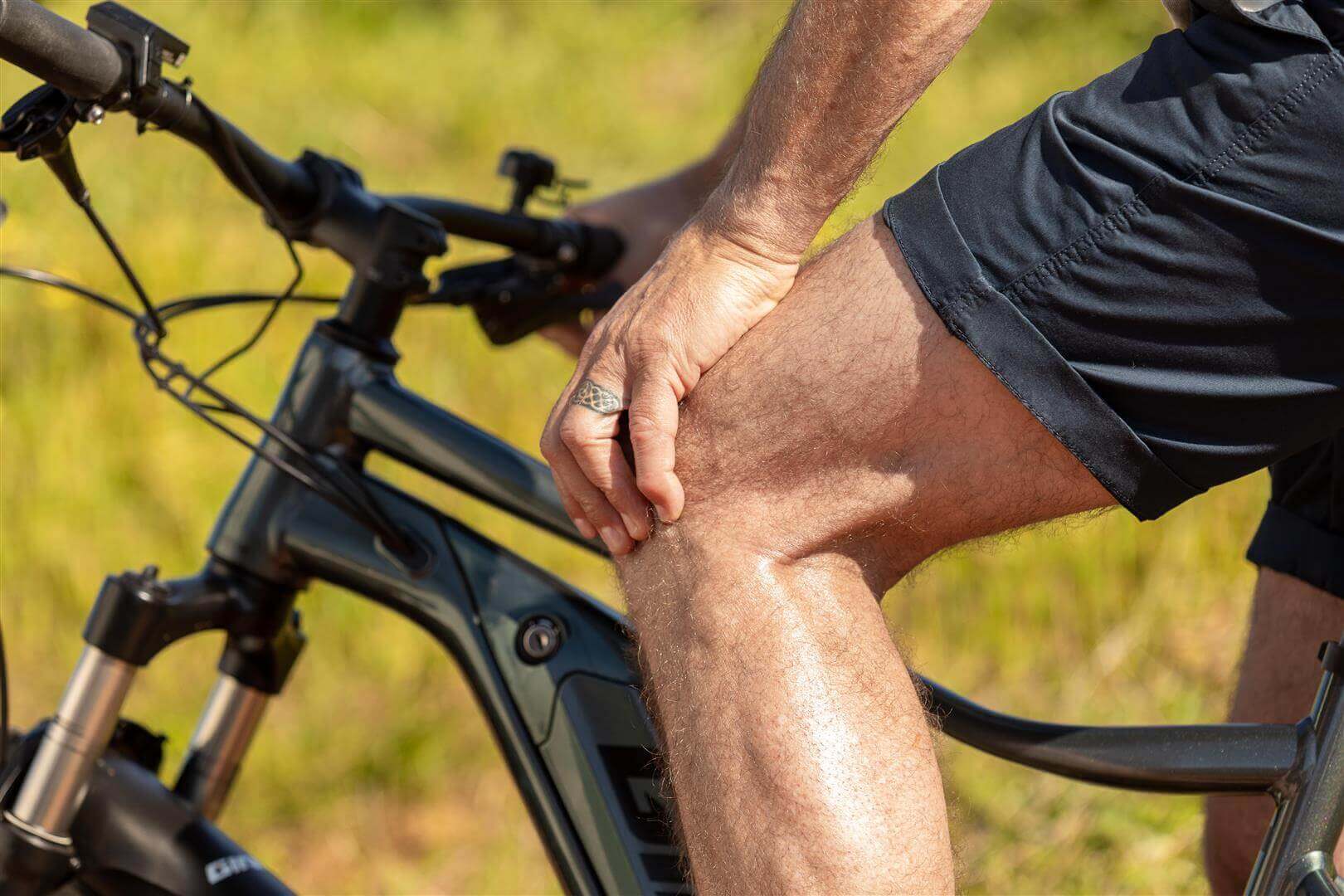
Unfortunately, we can’t generally protect ourselves from a dislocated kneecap because its causes vary: just like body weight, genetic factors and awkward movements are risk factors. Inappropriate mechanical stress or acute injuries in particular, whether caused by a fall or trauma, sudden twisting or excessive stretching of the knee joint can force it into an unnatural position, resulting in a dislocated kneecap.
The most common causes of a dislocated kneecap include
An unstable kneecap is a genetic predisposition in some people. This bears a higher risk of the patella leaving its position. Both genetic factors and muscle imbalance play an important role.
A general predisposition for excessively mobile joints can also impact kneecap stability and result in dislocation. By its very nature, the knee joint is designed for a very limited and strictly defined range of motion only. If this is exceeded, the kneecap may leave its groove.
Young people sometimes complain about knee pain while they’re growing. This can be caused by changes to the bone structure and muscles. If several factors come together during this growth phase, the kneecap may become dislocated more easily.
Some sports require rapid changes in direction, jumps, or excessive stretching. During these situations, the knee is subjected to much more strain than during other everyday activities. During certain sporting activities, such as dancing, gymnastics, or football, the risk of patellar dislocation is therefore increased.
A previous patellar dislocation can also increase the risk of the kneecap becoming dislocated again. However, supporting stabilization of the knee joint and the kneecap as well as treatment measures can significantly reduce this risk.
Common symptoms and concomitant problems
The common symptoms and problems listed below can be an indication of a dislocated kneecap:
What to do about patellar dislocation symptoms?
If you suspect you have suffered a patellar dislocation, you should seek medical advice right away. Only an accurate diagnosis provided by a physician can guarantee that appropriate treatment is started and potential long-term damage is minimized. Time is an important factor in this process. When the kneecap remains in an unnatural position, the ligaments stretch more and more with every minute. Any delay can therefore significantly slow down complete healing or make it much harder.
Even if the kneecap comes out of its groove only briefly or partially and returns to its natural position by itself, severe pain can occur. This is referred to as “patellar subluxation”. Seeking medical advice is recommend in this case, too, to prevent concomitant damage or treat it if required.
Diagnosing a dislocated kneecap
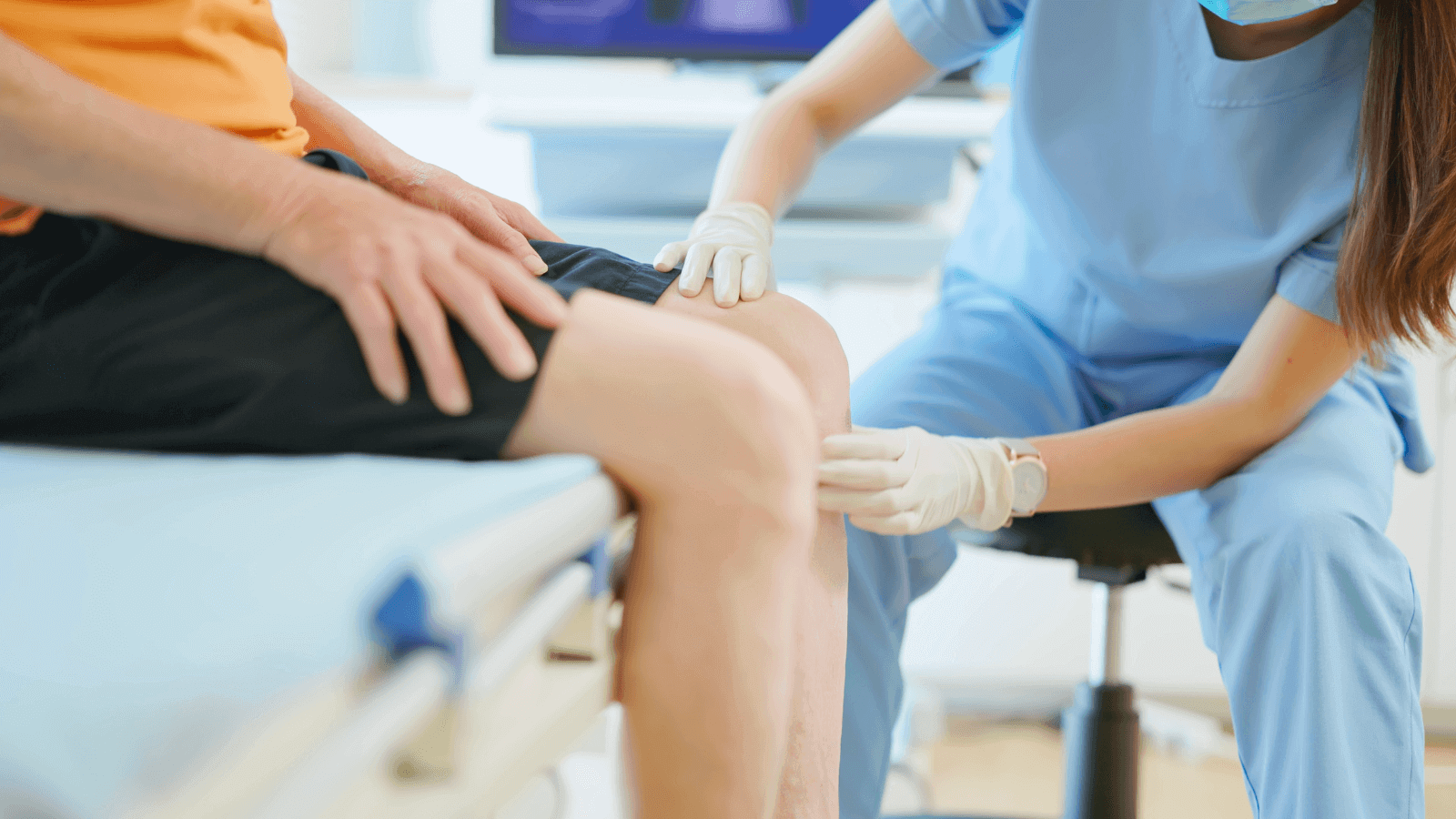
After taking your medical history, the treating physician will thoroughly examine your knee. This examination of the kneecap and the knee joint will provide key information about the injury. This is usually followed by resetting of the kneecap as well as other physical examinations. Usually, in cases of severe swelling in particular, X-rays or MRI images can be taken to determine the position of the kneecap and assess potential concomitant damage.
Usual patellar dislocation treatment
Recommended acute treatment measures include immobilization, rest, and elevation of the leg as well as cooling of the knee joint to reduce the swelling.
The way patellar dislocation is treated will depend on the individual situation. If the case is less serious, it may be sufficient to opt for non-surgical treatment followed by physiotherapy to strengthen the muscles and stabilize the kneecap.
However, when the condition is advanced or there is concomitant damage that cannot be cured with conservative measures, surgery may be considered to permanently stabilize the kneecap. This means: a timely diagnosis and appropriate treatment can prevent long-term complications.
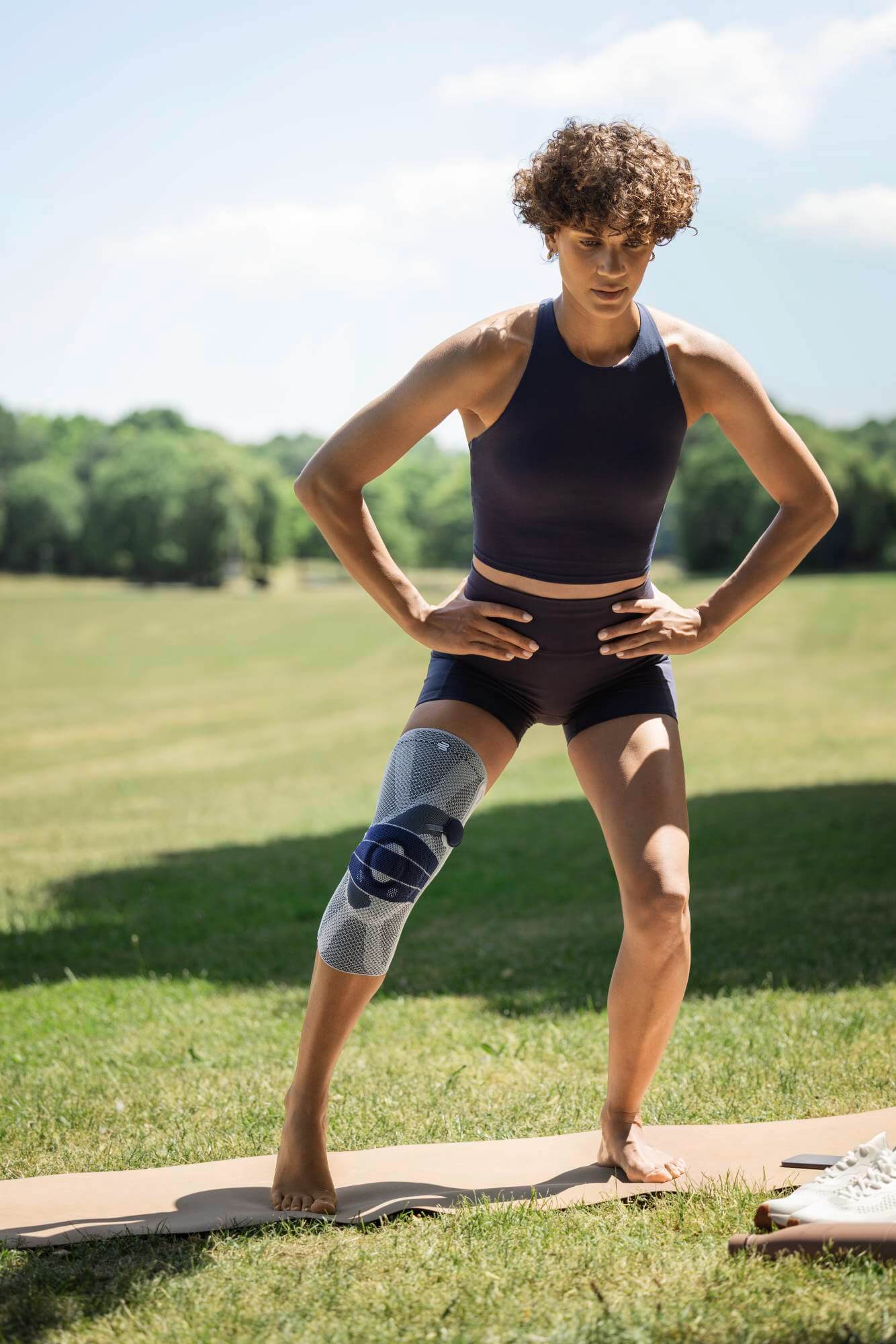

In addition to kinesiotherapy to strengthen the joint-stabilizing muscles and ligaments, knee supports can help. They stabilize the kneecap to alleviate anterior knee pain and accelerate healing. Your physician can help you choose the appropriate product.
You might also be interested in this:


Back to action after complex knee surgery
Card subtitle
Find out how Katrin is fighting to return to the pistes after a skiing accident and how the SofTec Genu is helping her.